
TRAVEL GUIDE TO Madeira
An autonomous region of Portugal, located in the Atlantic Ocean off the north west coast of Africa, Madeira is one of the most beautiful and unique islands in Europe.
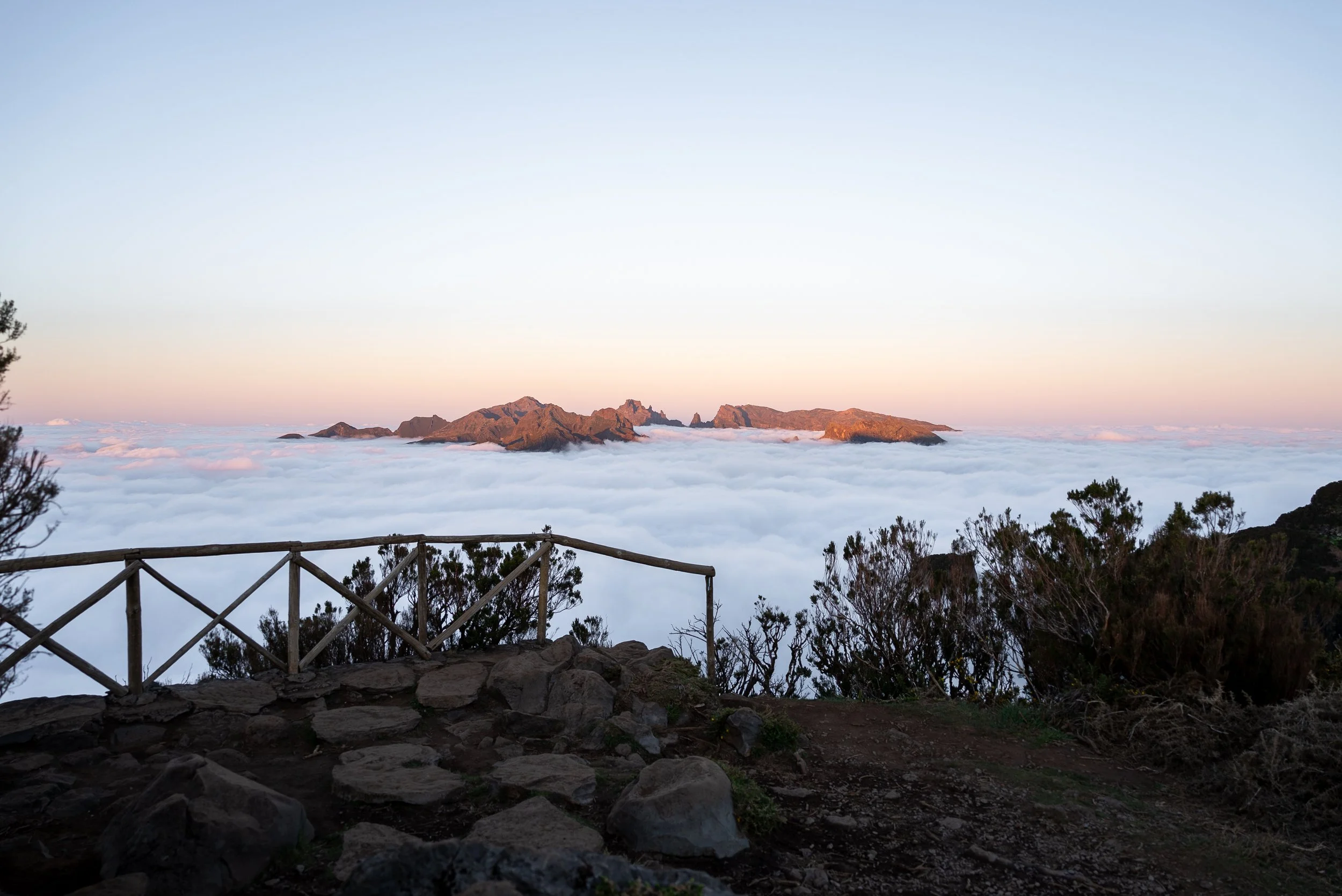
Rugged, subtropical and wildly dramatic, this volcanic island has some of the most impressive scenery I have ever seen. Jagged mountains rise straight from the sea, ancient forests cling to steep valleys, waterfalls pour through lush green ravines, and coastal cliffs drop into the Atlantic. Add in black sand beaches, natural swimming pools, levada walks, mountain ridges and outrageous viewpoints, and you quickly realise why Madeira is such a special place.
I have now visited Madeira three times. First on my honeymoon, then again for a 7 day return trip, and most recently to hike 120km across the island from west to east.
In total, I have spent over three weeks exploring Madeira, hiking its levadas, climbing its mountain trails, chasing sunrise and sunset viewpoints, swimming beneath waterfalls, driving its ridiculous roads and trying to seek out as many of the island’s best adventure spots as possible.
For me, Madeira is one of the best adventure destinations in Europe. It is an island made for hikers, photographers, road trippers, wild swimmers and anyone who likes their holidays with a bit of drama. But it is not only for people who want to spend every day sweating up a mountain. Its year-round mild climate, brilliant hotels, relaxed coastal towns, and unique food and drink scene also make it a fantastic destination for a slower, more relaxed trip.
In this Madeira travel guide, I’ll share the best things to see and do on the island, including hikes, waterfalls, viewpoints, sunrise and sunset spots, swimming locations, photography spots, where to stay, how to get around, what to eat, and the practical tips I wish I had known before my first visit.
I’ll also cover the new Madeira hiking rules, including paid PR trail reservations, SIMplifica bookings, time slots and what you need to know before setting off on the island’s official walking routes.
I have also included a detailed Google Map of Madeira, alongside answers to the most common questions about visiting the island.
BLOG POSTS




Where to stay in MAdeira?
Below are hotels I can personally recommend. I have paid to stay in all of them and have no affiliation with the hotels themselves. However, the links are affiliate Booking.com links, which means I may earn a small commission if you book through them, at no extra cost to you
The Views Baía, Funchal - an adults-only hotel in Funchal with modern, comfortable rooms and great facilities, including a spa. The buffet breakfast was probably one of the best I have ever had, anywhere, and that is saying something. I only stayed here for one night before hiking across Madeira, but the French toast alone was almost worth the price. It was also one of the cheapest good quality hotels I could find in Funchal, which made it a very solid option before starting the Madeira Trail.
Sentido Galosol, Caniço - A great option if you want to explore the east of Madeira and the central interior without doing marathon drives every day. The hotel is built into the cliffs, with direct sea access and excellent facilities, including a fitness club, wellness centre and a lido built into the sea cliff. Despite its size, it still manages to feel peaceful and uncrowded. The breakfast buffet was also excellent, made even better by watching sunrise from the terrace with a coffee and croissant in hand.
Savoy Saccharum, Calheta - We here for our 10 day honeymoon, and it was stunning. The hotel has a beautiful infinity rooftop pool, great facilities and a really polished feel. Calheta is also one of the sunniest parts of Madeira, with a small marina, a handful of good restaurants, and two golden sand beaches sheltered by a large sea wall.It is a great base for exploring the west and north west of the island, including Paul do Mar, Jardim do Mar and Fanal Forest. The main downside is the driving. Reaching the eastern side of the island can take a while, and by the end of our 10 day trip we had clocked 1,379km in the car. Some of the must-see spots took around 60 to 80 minutes each way, so keep that in mind if you want to explore the whole island.
Santana in Nature Bed & Breakfast - I stayed here while hiking across Madeira, and I could not fault it. The balcony view was genuinely one of the best I have ever had from a hotel, and I watched sunrise from there the next morning. It also has three rooftop jacuzzis with brilliant views, which felt like a ridiculous luxury after a long day on the trail. It is not the most modern hotel but the rooms were clean and comfortable. It is also a great base for exploring the north coast, with easy access to Pico Ruivo, São Jorge, Faial and some of Madeira’s most dramatic coastal scenery.

What is the best way to get around Madeira?
The best way to get around Madeira is by car. Although Madeira has a reliable and cost effective bus system connecting major towns and attractions, buses are not always frequent, journeys take longer than driving, and they do not reach many of the more remote locations, viewpoints and trailheads.
Having a car gives you the freedom to visit the places you want, when you want, in the shortest time possible. It also means you can make the most of Madeira’s incredible sunrise and sunset spots without being restricted by public transport timetables.
If you do rent a car, I would keep a few things in mind:
Avoid renting a big car, as many of the mountain roads and residential streets in Madeira are very narrow.
Avoid anything too underpowered, otherwise you will spend most uphill journeys switching between first and second gear while questioning your life choices.
Booking an automatic If you struggle with clutch control, Some of the junctions in Madeira are savagely steep, and hill starts here are not for the faint-hearted.
Choose something compact but capable. We rented a Renault Clio, which was perfect. It was small enough for the narrow roads, but powerful enough that we were not constantly stuck in the lower gears when going uphill.
I booked my car rental through discovercars.com, I have used them all over Europe and they search both international and local operators for the best deal.
It is also worth keeping in mind that if you stay in one place and want to explore the whole island, you will end up doing a lot of driving. On my 10 day honeymoon, we ended up driving 1,379km, which says a lot about how much there is to see on the island, and how useful having a car can be
Madeira is not a huge island, but the roads are steep, winding and often slower than they look on the map. A short distance can still take a surprisingly long time, especially if you are crossing from one side of the island to the other for hikes, sunrise spots or coastal viewpoints.
Book your vehicle using Discover Cars

mADEIRA FAQ’S
-
One of the standout attractions of Madeira is its year-round mild climate. Coastal temperatures are generally pleasant throughout the year, often sitting between 20°C and 30°C, which makes the island a brilliant destination for hiking, exploring and outdoor adventures.
That being said, I think the best time to visit Madeira is usually during spring, from March to May, or autumn, from September to October. During these months, the weather is generally mild, the island is slightly less busy, and conditions are usually good for hiking. Although it is worth noting that Madeira is popular year-round, so do not expect to have the island completely to yourself.
Spring is probably my favourite time for hiking. The island feels lush and alive, the flowers are out, the valleys are greener, and the waterfalls tend to be much more impressive after the wetter months.
Autumn is also a great time to visit, with warm temperatures and generally stable weather. However, the downside is that some waterfalls may be reduced to a trickle or could have dried up completely after the summer. Madeira is also prone to wildfires during the hotter months, which can lead to trail closures later in the year.
I visited Madeira twice in autumn, once in September and once in October, and both trips had plenty of sunshine, with temperatures ranging between 22°C and 30°C. The downside was that the waterfalls were much less impressive, and several major trails, including PR1, were closed due to previous wildfire damage.
I then returned in late April and early May 2026 to hike across the island, and the conditions felt much better for hiking. The waterfalls were flowing, the flowers were beautiful, and the island felt greener overall. Temperatures varied depending on where we were, with warm conditions on the coast and much cooler, windier weather in the mountains.
-
At a minimum, I would recommend five days in Madeira.
Although the island is not particularly big, there are so many unique and interesting things to see and do that anything less will feel rushed.
Madeira is also incredibly hilly, and the roads are ludicrously steep and windy. Getting from one side of the island to the other often takes longer, and requires a lot more concentration, than you might expect. A 30km drive on Madeira is not the same as a 30km drive at home.
A week is a great amount of time for a first visit. It gives you enough time to see some of the island’s highlights, do a few hikes, explore Funchal, visit the coast, and still have a little bit of breathing room.
However, I think 10 days is the perfect amount of time to properly experience Madeira. That gives you enough time to explore the island’s landscapes, towns, viewpoints, levadas and mountain trails, while also having the occasional slower day.
If you have more time, two weeks would allow for a much more relaxed trip. With that amount of time, you can see modt of the main highlights without rushing, spend more time enjoying your hotel, and even revisit places at both sunrise or sunset
-
Madeira has a notably mild climate, with coastal temperatures rarely feeling too cold or too hot. Most of the time, temperatures sit somewhere between 20°C and 30°C, which is one of the reasons the island is such a good year-round destination.
However, Madeira’s weather is not as simple as “warm and sunny”. Its location in the Atlantic, combined with the island’s steep mountainous terrain, means the weather can change quickly and vary dramatically from one part of the island to another.
It is not uncommon to experience multiple weather conditions in a single day. One side of the island can be covered in cloud or rain, while the other is sitting in glorious sunshine. The mountains can also feel completely different to the coast, with cooler temperatures, stronger winds, low cloud and reduced visibility.
The northern side of Madeira is generally wetter, while the south tends to be drier and sunnier. The wettest period usually runs from November to February, but rain can still happen at any time of year, especially in the mountains.
Alongside checking the forecast, I would recommend downloading the Madeira Weather app for local conditions and using Windy to check wind speed, wind direction and cloud movement.
Madeira also has a number of webcams spread across the island, and these are incredibly useful. Before driving to a hike or viewpoint, it is worth quickly checking the webcams to see what the conditions actually look like on the ground. They can save you a wasted drive across the island to stare at a wall of cloud.
-
Where you stay in Madeira depends on how long you are visiting for, whether you have a car, and what you want to do while you are there.
Funchal is the most convenient option if you are short on time. It has plenty of hotels, restaurants, tours, transport links and easy access to excursions, so it makes sense for a first visit, especially if you do not plan on hiring a car.
That said, Funchal is busy, tourist driven, and the real beauty of Madeira lies away from the city, out on the coast, in the mountains, along the levadas and in the smaller villages.
Funchal can still work well as a base if you plan on exploring the island, mainly because of its central location and the wider choice of places to eat in the evening.
However, if you want dramatic coastlines, quieter villages, better feel for Madeira beyond the capital, I would consider staying elsewhere.
I have visited Madeira three times. On my first two visits, I stayed in one location: Calheta for 10 days and Caniço for 7 days. I can recommend both, although I found Caniço slightly more practical for exploring the island.
On my third visit, I hiked across Madeira and stayed in a variety of hotels along the route.
If you want to see as much of Madeira as possible, be prepared to spend a lot of time driving. The island is small, but the roads are steep, slow and winding, so travel times can be longer than expected.
-
If you are staying in Madeira for a week or less, I would probably choose one base to keep things simple. You can still see a lot of the island from one location, especially if you have a car.
If you are staying for 10 days or longer, I would seriously consider splitting your stay between two bases on different sides of the island. This will cut down on driving and let you experience two very different parts of Madeira.
My recommendation would be to spend part of your trip on the south or south west coast, somewhere like Calheta, and the other part around the east or north east, such as Caniço or Santana. That way, you can explore the west, Fanal and the north west coast from one base, then use the second base for places like Pico Ruivo, São Lourenço, the north coast, levada walks and the eastern side of the island.
You can use my affiliate link below to book your accommodation. It comes at no extra cost to you, but it helps me keep this website running.
Book your accommodation using Booking.com
-
Below are hotels I can personally recommend. I have paid to stay in all of them and have no affiliation with the hotels themselves. However, the links are affiliate Booking.com links, which means I may earn a small commission if you book through them, at no extra cost to you
The Views Baía, Funchal - an adults-only hotel in Funchal with modern, comfortable rooms and great facilities, including a spa. The buffet breakfast was probably one of the best I have ever had, anywhere, and that is saying something. I only stayed here for one night before hiking across Madeira, but the French toast alone was almost worth the price. It was also one of the cheapest good quality hotels I could find in Funchal, which made it a very solid option before starting the Madeira Trail.
Sentido Galosol, Caniço - A great option if you want to explore the east of Madeira and the central interior without doing marathon drives every day. The hotel is built into the cliffs, with direct sea access and excellent facilities, including a fitness club, wellness centre and a lido built into the sea cliff. Despite its size, it still manages to feel peaceful and uncrowded. The breakfast buffet was also excellent, made even better by watching sunrise from the terrace with a coffee and croissant in hand.
Savoy Saccharum, Calheta - We here for our 10 day honeymoon, and it was stunning. The hotel has a beautiful infinity rooftop pool, great facilities and a really polished feel. Calheta is also one of the sunniest parts of Madeira, with a small marina, a handful of good restaurants, and two golden sand beaches sheltered by a large sea wall.It is a great base for exploring the west and north west of the island, including Paul do Mar, Jardim do Mar and Fanal Forest. The main downside is the driving. Reaching the eastern side of the island can take a while, and by the end of our 10 day trip we had clocked 1,379km in the car. Some of the must-see spots took around 60 to 80 minutes each way, so keep that in mind if you want to explore the whole island.
Santana in Nature Bed & Breakfast - I stayed here while hiking across Madeira, and I could not fault it. The balcony view was genuinely one of the best I have ever had from a hotel, and I watched sunrise from there the next morning. It also has three rooftop jacuzzis with brilliant views, which felt like a ridiculous luxury after a long day on the trail. It is not the most modern hotel but the rooms were clean and comfortable. It is also a great base for exploring the north coast, with easy access to Pico Ruivo, São Jorge, Faial and some of Madeira’s most dramatic coastal scenery
-
Technically no, but practically yes.
Buses do exist in Madeira, but they are limited, infrequent, and not especially useful if you want to reach trailheads, viewpoints, sunrise spots or more remote areas. Renting a car gives you the freedom to explore the island properly, which is especially useful if you want to get beyond Funchal and visit the harder to reach hidden gems.
Having your own car also means you can head out early for sunrise, stay out for sunset, or change plans last minute depending on the weather. In Madeira, that flexibility is a huge advantage.
When renting a car, I would choose something small but powerful. The roads are narrow, steep and winding, so you do not want anything too big, but you also do not want to spend every climb frantically switching between first and second gear. If you are not fully confident with clutch control, consider an automatic. Your nerves and your passengers will thank you.
Everytime I have visited Madeira, I have rented through Discover Cars. They search both local and international companies to find the best deals, then let you choose the supplier that suits you best, whether that is based on price, reviews or reputation.
You can use my affiliate link below to book your car hire. It comes at no extra cost to you, but helps me keep this website running.
Book your vehicle using Discover Cars
-
Driving in Madeira is unforgettable, mostly because the roads are some of the steepest and most dramatic I have ever encountered.
I was genuinely blown away by Madeira’s road network. The infrastructure, road surfaces and tunnels are incredibly impressive for an island in the middle of the Atlantic. The amount of concrete they must have used is unfathomable. Take note, Welsh Government.
The island is laced with tunnels that slice straight through mountains and connect once remote towns with surprising efficiency. The main ring road, the VR1, loops around much of the island and makes coastal journeys far quicker than you might expect.
That said, it can be a bit of a wild ride.
I would liken driving in Madeira to a Mario Kart course: twisty, fast, full of tunnels, and occasionally confusing.
The locals drive with purpose, indicators can feel optional, and some slip roads appear to have been designed by someone who enjoys watching tourists panic. You can find yourself joining a fast road from a standing start, sometimes on a bend, which is always character building.
Away from the main roads, things get even more entertaining. The mountain roads are narrow, steep and winding, with junctions perched on gradients that feel entirely unreasonable. Locals also have an impressive ability to park on already narrow roads, making some sections even tighter.
Do not let that put you off completely though. Once you get used to it, driving in Madeira becomes part of the adventure. The roads are generally well maintained, the views are ridiculous, and having a car gives you the freedom to explore the island properly.
My main advice would be to take your time, use lower gears on steep descents, avoid driving mountain roads in bad weather if you are nervous, and do not blindly trust Google Maps if it tries to send you up a vertical side street.
-
Not really. I found Madeira pretty affordable, and it did not feel wildly different to mainland Portugal, especially when it comes to food and drink.
Drinks were generally very reasonable. In local cafés and snack bars, a small beer can often cost around €1 to €2, while a larger beer or pint is usually closer to €2.50 to €4. Coffee is often around €1 to €3, although you can pay more in hotels, speciality cafés or tourist-heavy areas.
Food prices vary depending on where you eat. There are plenty of small snack bars dotted around the island where you can grab a sandwich, pastry, light bite or simple meal for around €2 to €8.
If you are eating in a restaurant, expect to pay around €12 to €25 for a main meal, depending on where you are and what you order. Simple local dishes and snack bars will be cheaper, while fresh fish, steak, seafood and more tourist-focused restaurants will cost more. Portion sizes are usually generous, and the quality is generally very good, especially if you order fresh fish or local meat dishes.
Sides usually cost around €3 to €5, although some main meals already include sides.
Overall, I would not describe Madeira as expensive. The main costs to factor in are accommodation, car hire, fuel, parking, paid PR trail reservations and any tours or excursions. Once you have those sorted, many of the best things to do on the island are outdoors, scenic and relatively low cost.
-
Madeira itself is fairly affordable, but costs can add up if you are renting a car, paying for parking, booking trail permits, eating out every night and doing tours or excursions.
For a hiking-focused trip, remember to budget for:
Car hire
Fuel
Parking
Paid PR trail reservations
Food and snacks
Tours or transfers
Travel insurance
Accommodation
The good news is that many of the best things to do in Madeira are outdoors and relatively low cost. Once you have transport sorted, the island offers a huge amount of value.
-
Poncha - Poncha is the traditional drink of Madeira, made from sugar cane brandy, honey and lemon juice. Unless you do not drink alcohol, it is something you simply have to try. Just go easy, it is as strong as it is delicious. One of the most famous places to try it is Taberna da Poncha in Serra de Água.
Coral - Coral is the local beer, cheap, cheerful and found everywhere. It is light, refreshing and exactly what you want after a long hike or a hot beach day.
Madeira wine - Madeira is world famous for its fortified wine, which is produced locally and aged in the island’s warm climate. It has a distinctive rich flavour and you will find plenty of opportunities to taste it across the island.
Bolo do Caco - Bolo do Caco is traditional Madeiran garlic bread, soft and fluffy with a crisp exterior, usually served warm and covered in garlic butter. It comes with many meals and never disappoints.
Bolo de Mel de Cana - Bolo de Mel de Cana is a rich honey cake made with dark sugar cane molasses, nuts and sultanas. It is dense, sticky and full of flavour, a true island classic that also makes a great souvenir.
Espetada Madeirense - chunks of beef marinated in garlic and bay leaves, grilled over wood or charcoal and traditionally served on a skewer. It is hearty, smoky and perfect after a big day exploring.
Fish, fish and more fish - Madeira’s coastal location means the seafood is exceptional. I had some of the freshest and tastiest fish I have ever eaten here. The local speciality is scabbardfish, an unusual deep sea fish that is often served with banana. It sounds strange, but it is a proper Madeiran classic. One of my favourite restaurants was The Fish Factory in Paul do Mar, which serves freshly caught fish cooked over a barbecue. Simple, authentic and absolutely delicious.
-
Yes, but not many. Madeira is more cliffs, coves and volcanic coastline than long sandy beaches.
Calheta and Machico both have imported golden sand, while Seixal has a beautiful black volcanic sand beach that is incredibly photogenic. The natural pools at Porto Moniz are also a must visit.
If you are after a classic sandy beach holiday, Madeira probably is not the destination for you. But what it lacks in beaches, it more than makes up for in dramatic scenery, hiking and adventure.
-
Yes, Madeira generally feels very safe. Crime rates are low, locals are friendly, and the island has a relaxed, welcoming atmosphere that makes it a great destination for solo travellers, couples and families.
That said, if you are hiking alone, still take normal mountain safety precautions. Let someone know your route, check the weather, carry enough water, download offline maps and do not underestimate the terrain. Madeira is safe, but the mountains are still mountains.
-
Madeira is famous for its dramatic landscapes, world class hiking trails, lush green mountains, Madeira wine, Poncha and its year-round springlike climate. It is also known for its spectacular viewpoints, colourful gardens, levadas, waterfalls and warm hospitality.
It is also the birthplace of Cristiano Ronaldo, one of the ‘greatest footballers of all time’. The island is incredibly proud of its connection to him. There is a CR7 Museum in Funchal dedicated to his life and career, and the island’s main airport is named Cristiano Ronaldo International Airport in his honour.
Just maybe do not show up wearing a Lionel Messi shirt, unless you fancy a few raised eyebrows.
-
Language- The official language of Madeira is Portuguese, but many people on the island speak and understand English, especially in tourist areas.
Currency - The currency in Madeira is the Euro.
Plugs and voltage - Madeira uses Type F plugs, and the standard voltage is 230V.
Paying by card - Most shops, hotels and restaurants accept debit and credit cards. I used Monzo almost everywhere without any issues. However, it is still worth carrying some cash for smaller purchases, remote areas, cafés, parking and tips.
Tipping is appreciated in Madeira, but it is not usually expected in the same way as some other countries. If you receive good service, rounding up the bill or leaving around 5-10% is a nice gesture.
Do not litter- This should go without saying, but always take your rubbish with you, especially when hiking. Madeira’s landscapes are stunning, so let’s keep them that way.
-
There is so much to see and do in Madeira, especially if you love the outdoors. Expect dramatic hiking trails, levadas, waterfalls, mountain viewpoints, natural sea pools, coastal villages, gardens, history, culture and some of the best scenery in Europe.
Rather than trying to squeeze everything into this guide, I have written several detailed Madeira blogs to help you plan your trip properly.
For more inspiration, check out:
25 of the best things to see and do in Madeira
12 of the best hikes in Madeira
10 must visit sunset locations in Madeira
10 of the best sunrise locations in Madeira
Best Swimming Spots in Madeira
7 Must Visit Waterfalls in Madeira
-
Madeira’s mountainous terrain makes it one of the best places in Europe to watch the sunrise. From coastal cliffs to towering peaks, the island’s viewpoints deliver unforgettable mornings. Three of my favourites include:
1. Pico Ruivo- The highest peak in Madeira and an unbeatable spot for sunrise.
2. Ponta de São Lourenço - Perched on the far eastern tip of the island, this rugged peninsula is the first place to catch the morning sun.
3. Bica da Cana - A quiet and underrated viewpoint on the Paul da Serra plateau.
👉 For more ideas and detailed directions, check out my full guide: Best sunrise locations in Madeira
-
Madeira’s sunsets are just as impressive as its sunrises, with golden light washing over mountains, cliffs and the open Atlantic. Three of my favourites include:
1. Pico Ruivo - Yes, it is just as magical at sunset.
2. Ponta do Pargo Lighthouse - The westernmost point of the island and one of Madeira’s classic sunset viewpoints.
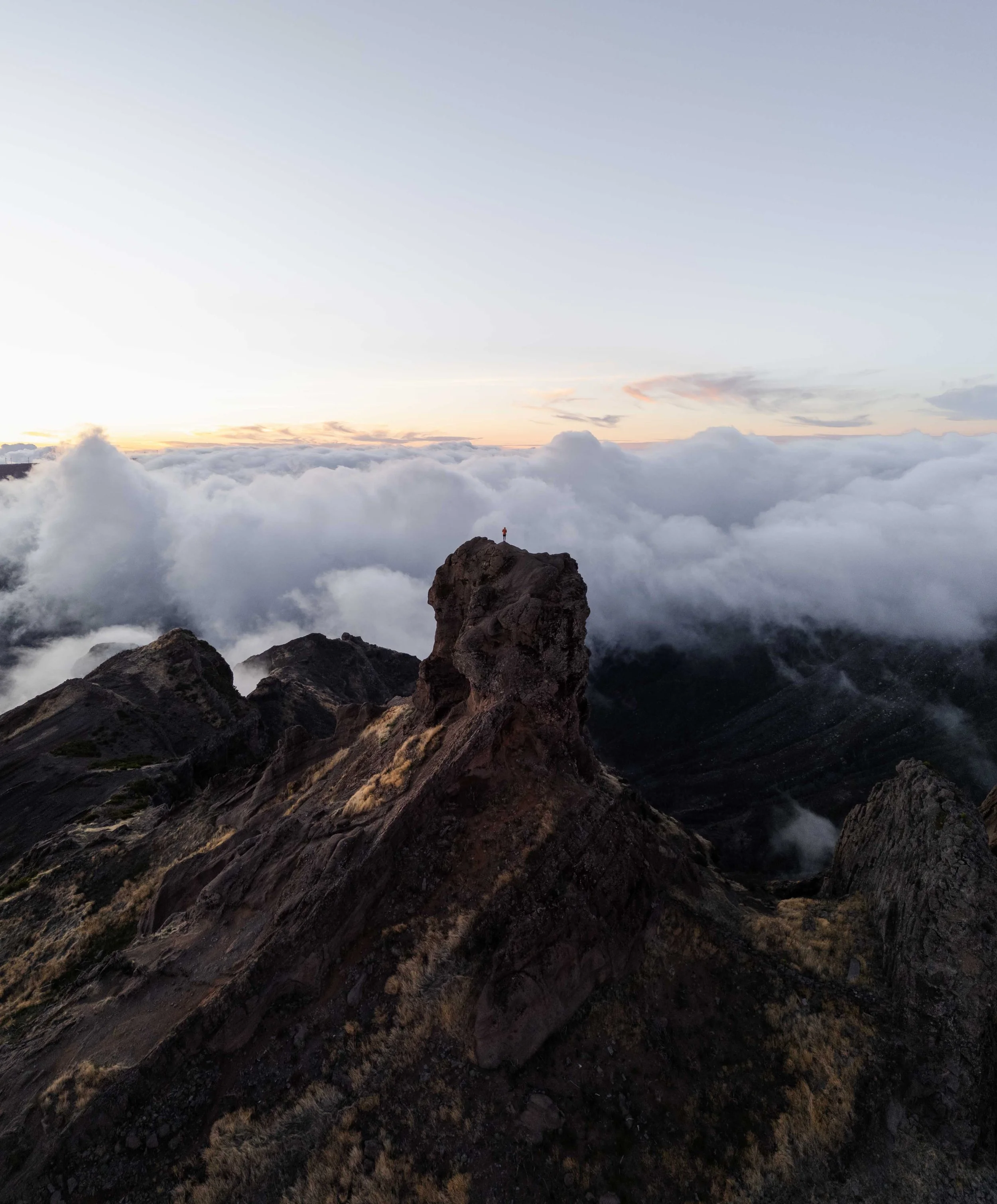
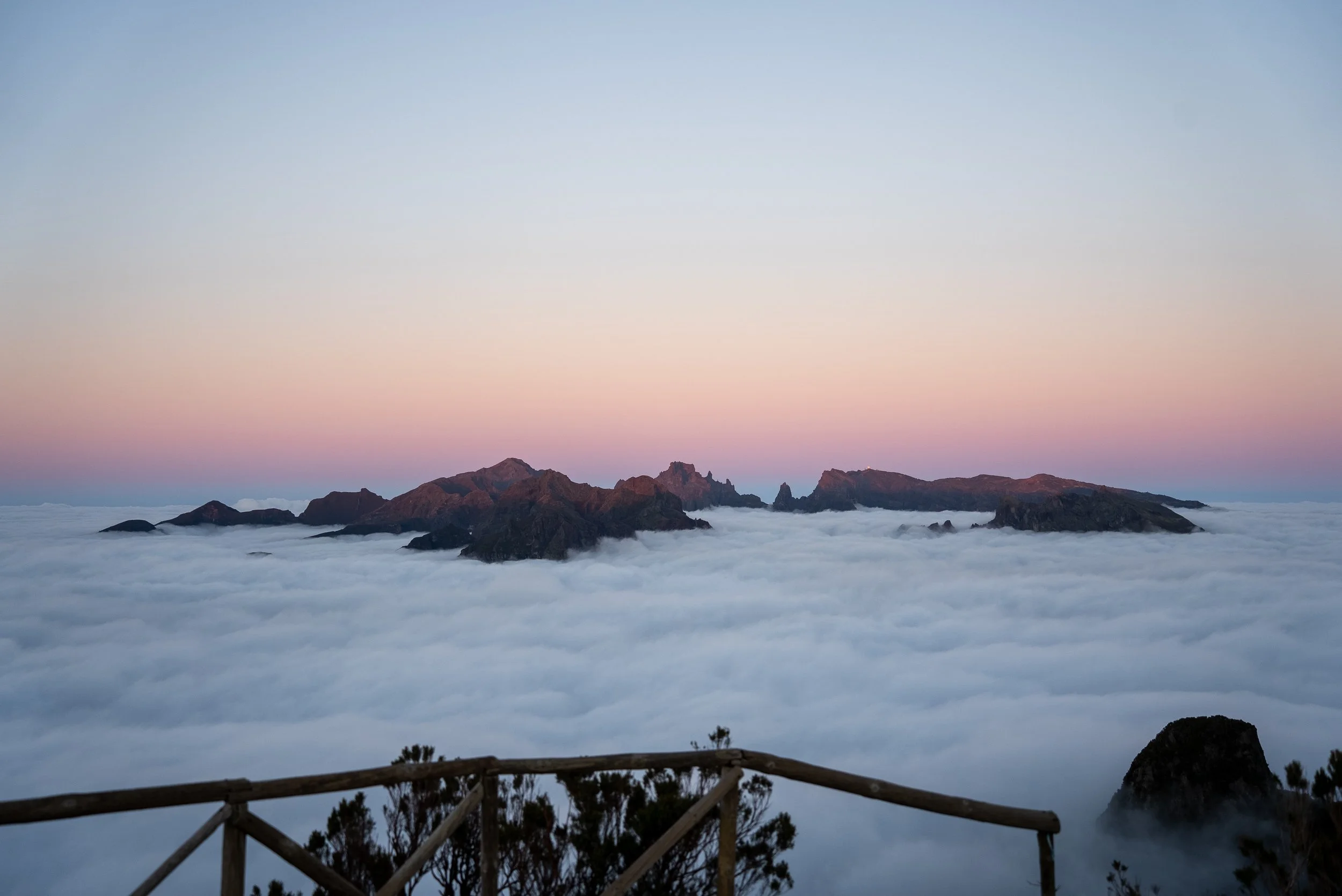
3. Pico do Arieiro - Easily accessible by car and often above the clouds, Pico do Arieiro offers some of the most dramatic sunsets in Madeira.
👉 Discover more incredible sunset spots here: Best sunset locations in Madeira
-
While Madeira is known more for cliffs and coves than endless sandy beaches, the island is full of incredible natural swimming spots and calm bays. Three of my favourites include:
1. Porto Moniz Natural Pools - The most famous swimming spot in Madeira. These volcanic rock pools are filled with crystal-clear Atlantic water and are safe, scenic and perfect for all ages.
2. Seixal Beach - A striking black sand beach surrounded by cliffs and lush green hills.
3. Calheta Beach - One of the few golden sand beaches on the island, with calm, sheltered waters protected by a breakwater. Ideal for swimming, sunbathing and relaxing
👉 Explore more recommendations in my full guide: Best swimming spots in Madeira
-
Madeira has some incredible waterfalls, especially if you visit in spring or after wetter weather when the levadas and valleys are flowing properly.
Three of my favourites include:
Lagoa do Vento
Levada Nova Waterfall
25 Fontes
Lagoa do Vento is probably my favourite overall. It feels dramatic and slightly more adventurous, with a waterfall plunging into a turquoise pool surrounded by steep green cliffs.
Levada Nova Waterfall is another brilliant option, as the trail actually passes behind the waterfall itself.
25 Fontes is one of Madeira’s most famous waterfall hikes, and although it can get busy, it is popular for a reason.
👉 For more ideas and detailed directions, check out my full guide: 7 Must Visit Waterfalls in Madeira
2026 Madeira hiking update
Madeira now has a paid reservation system for its official PR hiking trails. The system has been introduced to help manage overcrowding, protect fragile landscapes, improve safety, and spread visitor numbers across busy routes.
Before setting off, hikers should check the latest trail status, reserve the correct route, choose an entry time, and pay the fee through the official SIMplifica portal
As of 2026, the standard fee is €4.50 per person, per hike, although prices can change. PR1 is currently more expensive at €10.50 per person. Bookable time slots generally appear to run from around 07:00 to 18:00, with reservations allocated in 30-minute entry windows.
Some routes may be open, restricted or closed depending on weather, maintenance, wildfire damage or safety work, so always check the official Visit Madeira trail pages and the SIMplifica portal before setting off. It is also worth checking recent hike reports on apps such as AllTrails, as these can give you a more up-to-date idea of current trail conditions from other hikers.
Quick summary
All official PR hikes need to be booked through the SIMplifica portal
The standard cost is €4.50 per person, per hike, although PR1 is currently €10.50.
Slots are limited and allocated in 30-minute entry windows.
Bookable time slots generally run from around 07:00 to 18:00.
Outside of these hours, you may not need a time slot, although PR1 is different as the gate is locked outside of official access times.
Payment is made online. There is no cash payment at the trailhead, and you should keep your digital confirmation or QR code with you.
Madeira residents are exempt from payment and booking.
Multi-day passes are available, including 3-day and 7-day options, but they are only likely to save you money if you plan to hike five or more paid PR trails.
My experience hiking in Madeira since the 2026 update
I first visited Madeira in September 2024 on my honeymoon, then returned again in September 2025. Most recently, I hiked across the island in May 2026, as well as doing two individual day hikes before starting the Madeira Trail.
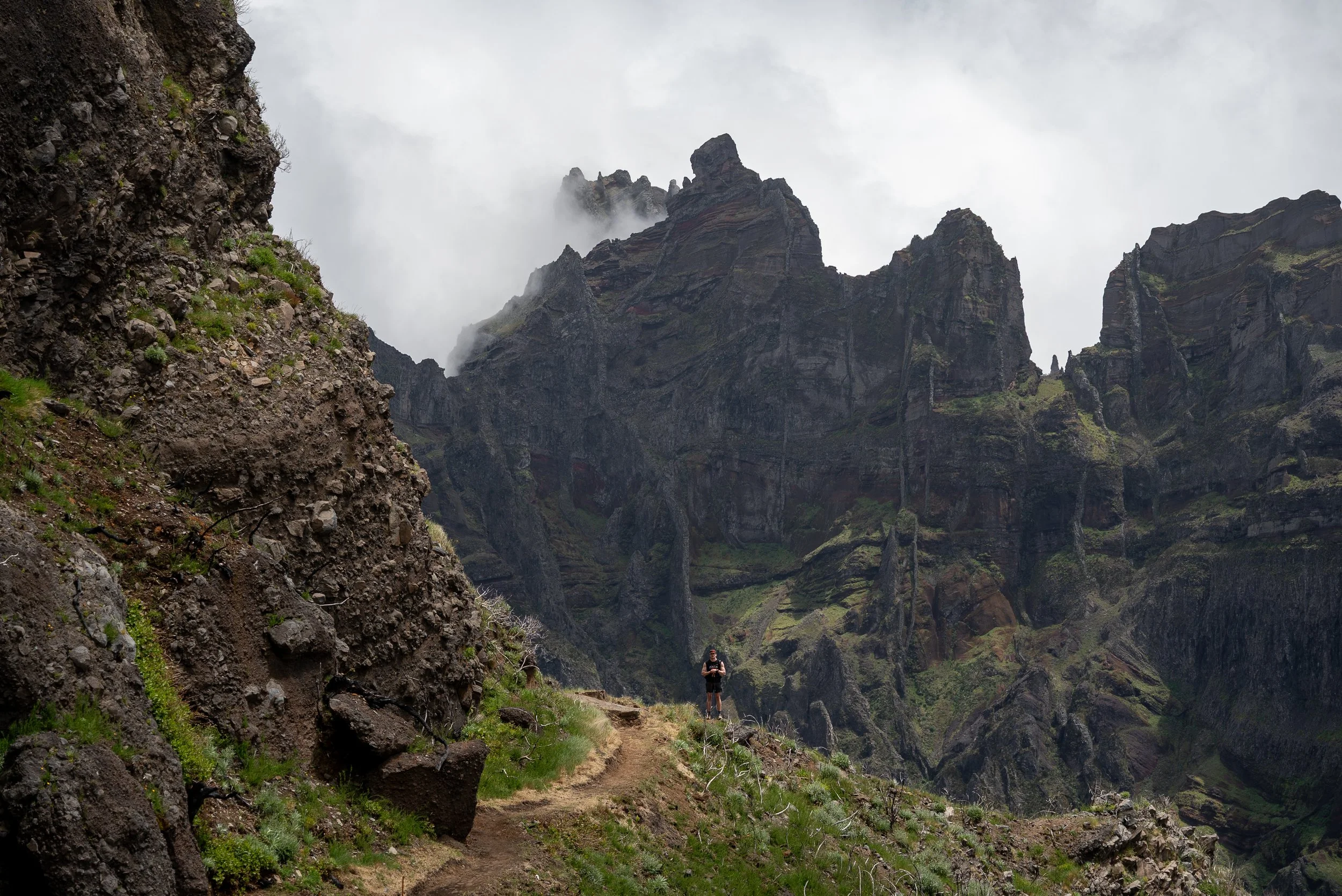
Based on my own experience, speaking to other hikers and reading recent reports online, it seems the more popular and easier-to-access PR trails are the ones most likely to have people checking tickets. PR1 is the only trail where I have personally seen tickets being checked, with security at the entrance gate.
A lot of trails, especially routes around Pico do Areeiro, have wide or multiple entry points with no obvious place to stop hikers and check tickets. This makes it difficult and costly to monitor every person using the trail. However, this may be different on some of the more popular levada walks, as they often have one or two main entry points which are narrower and easier to manage.
When I hiked across Madeira in May 2026, I did not realise that I needed to book a time slot for each individual PR trail used along the route. As a result, I unknowingly hiked several PR sections without a booked time slot, including PR17, PR1.3, PR1.2, PR6, PR6.3 and PR1.1.
I was not checked once on any of these trails. However, it is worth noting that I was often starting early and finishing late, outside the busiest times of day.
That said, this may change. The system is still relatively new, and the authorities may become stricter with checks over time. For that reason, I would still recommend booking and paying for the relevant PR trails through the SIMplifica portal before you hike.
If a trail is sold out, some hikers may choose to chance it and turn up anyway. For PR1, you will not get through without a valid booking. The route has controlled access, tickets are checked at the entrance, and the gate is locked outside the official access hours.
For other PR trails, checks may be less consistent. You may arrive and find nobody checking tickets, but if you attempt to hike without a valid reservation, you need to know that you run the risk of being fined or refused access.
If you do decide to take that risk, I would strongly recommend going very early or later in the day, so you do not contribute to the overcrowding the system is trying to prevent.
Regardless of whether you have managed to secure a time slot or not, please pay the hiking fee if possible. It is not a large amount, and the money helps support trail maintenance, safety work and the long-term protection of Madeira’s hiking routes, so future visitors can continue to enjoy them.
MAdeira Hiking FAQS
-
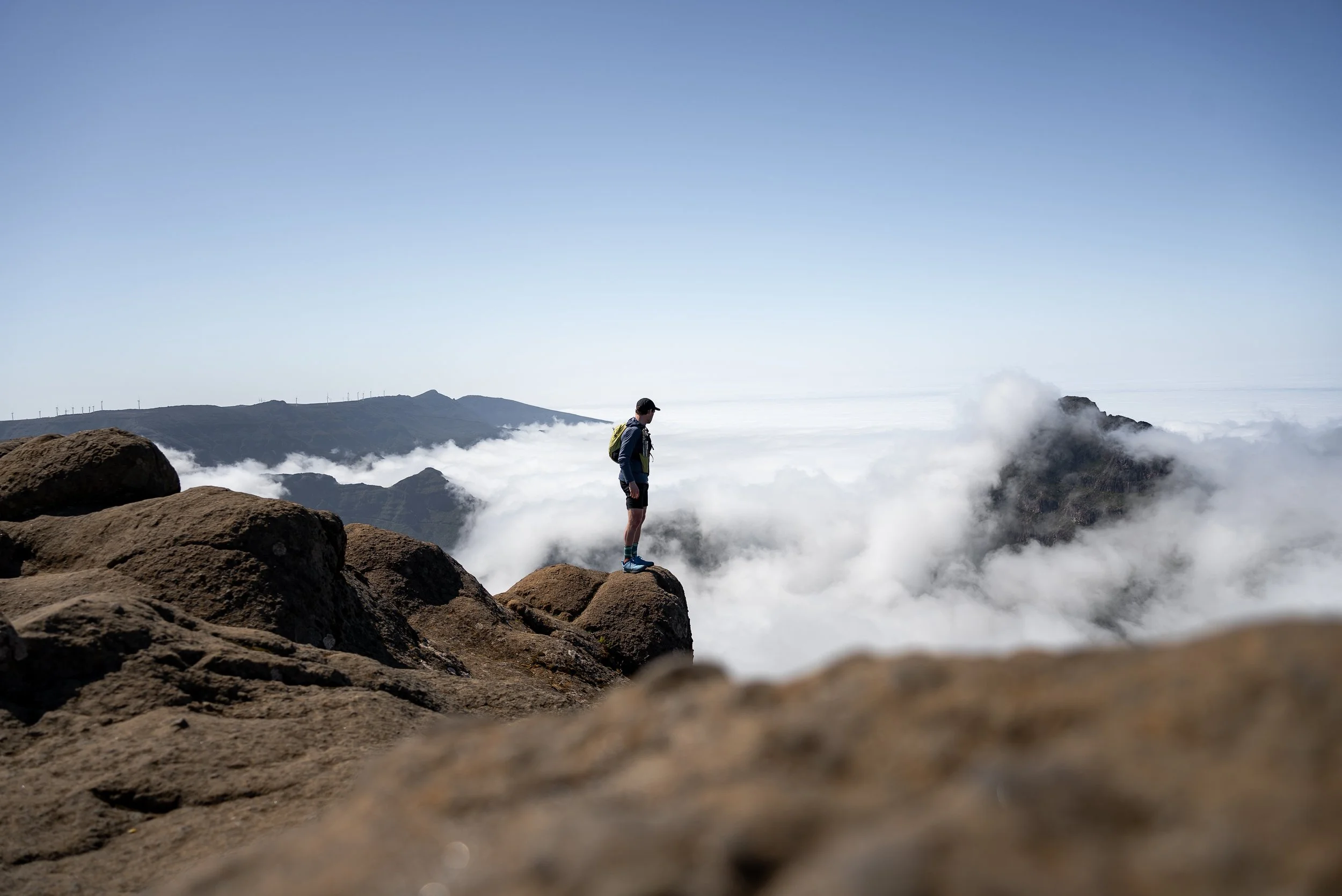
If I had to pick a favourite, it would have to be Pico Ruivo. The highest point on the island is easy to access via a well-maintained trail, making it suitable for hikers of all ages and abilities. If you can, get up there for sunset and you might just catch a magical inversion.
A close second is Pico Grande. It’s more difficult and won’t be suitable for everyone, but the trail is spectacular from start to finish – wild, rugged, and far quieter than the island’s more famous paths. The views are unreal, and if you can time it for sunset, you’ll have the mountains almost entirely to yourself.
For levada walks, Levada Nova is my top pick. Low effort, high reward, and you get to walk behind a waterfall (which, let’s be honest, never stops being fun). Levada do Vento is a very close second – a touch more adventurous but not overly tough.
After coastal scenery then PR8 – Vereda da Ponta de São Lourenço or Boca do Risco are the best bets. The scenery is outrageous, but the trail is very exposed, so aim for a cloudy day or start early to dodge the heat.
And of course, don’t miss Pico do Arieiro’s Stairway to Heaven. the 2.4km out and back walk is popular, but worth the hype. Skip sunrise (it’s chaos) and go for sunset instead when the light is softer, the crowds thinner, and the atmosphere downright dreamy.
If you're planning a week in Madeira, structure your days around these five core hikes:
Pico Ruivo – Sunset
Pico Grande – Early morning or sunset
Levada Nova and Moinho – Early morning
Levada do Vento - Early morning
Boca do Risco – Early morning or late afternoon
PR8 – Vereda da Ponta de São Lourenço – Early morning (just after sunrise)
Bolt-on options for sunrise/sunset magic:
Pico do Arieiro Stairway to Heaven (2.4km) – Sunset
Bica do Cana and/or Pico Ruivo do Paul – Sunrise or Sunset (1.5-2 km)
Vereda dos Balcões – Early morning or late afternoon
For more information check out my blog on the 12 of the best hikes in Madeira
-
Yes, Madeira’s official PR walking trails now require an online reservation before you hike. This is done through the official SIMplifica portal, where you select your route, choose a date and time slot, and pay the access fee.
As of 2026, the standard fee for many PR trails is €4.50 per person, per hike, although prices and rules can change. PR1 is currently more expensive and has stricter access controls.
Before hiking, check whether your route requires a paid ticket, time slot or QR code. Even if checks are not always obvious on every trail, I would still recommend paying where required, as the money helps fund trail maintenance, safety work and the long-term protection of Madeira’s hiking routes.
-
The standard access fee for many official PR trails is €4.50 per person, per trail. PR1 Vereda do Areeiro is currently more expensive at €10.50 per person. Prices and rules can change, so always check the SIMplifica portal before setting off.
-
All trail payments and reservations are made through the official SIMplifica portal. Before you can book a trail, you will need to create a SIMplifica account. This is required for all visitors, including children.
Once your account is set up, the process is straightforward:
Create your account on the SIMplifica portal and log in
Select the PR walking trail you want to hike
Choose the date of your visit
Select an available 30-minute time slot
Enter the details for every visitor in your group, including children
Pay the access fee online, usually €4.50 per person
Check your email for your digital confirmation and QR code
Make sure you save the confirmation before setting off, as you may need to show your QR code on the trail.
-
The 2026 reservation system applies to Madeira’s official PR walking trails managed by IFCN. These are the main classified hiking routes across the island
PR1 - Vereda do Areeiro, to Pedra Rija
PR1.1 - Vereda da Ilha
PR1.2 - Vereda do Pico Ruivo
PR2 - Vereda do Urzal
PR5 - Vereda das Funduras
PR6 - Levada das 25 Fontes
PR6.1 - Levada do Risco
PR6.2 - Levada do Alecrim
PR6.3 - Vereda da Lagoa do Vento
PR6.4 - Levada Velha do Rabaçal
PR6.5 - Vereda do Pico Fernandes
PR6.6 - Vereda do Túnel do Cavalo
PR6.7 - Vereda Câmara de Carga do Rabaçal
PR6.8 - Levada do Paul II
PR8 - Vereda da Ponta de São Lourenço
PR9 - Levada do Caldeirão Verde
PR9.1 - Caldeirão Verde accessible route
PR11 - Vereda dos Balcões
PR12 - Caminho Real da Encumeada
PR13 - Vereda do Fanal
PR13.1 - Vereda da Palha Carga
PR14 - Levada dos Cedros
PR15 - Vereda da Ribeira da Janela
PR17 - Caminho do Pináculo e Folhadal
PR18 - Levada do Rei
PR19 - Caminho Real do Paul do Mar
PR21 - Caminho do Norte
PR22 - Vereda do Chão dos Louros
-
Bookable time slots generally run from around 07:00 to 18:00, with reservations allocated in 30-minute entry windows. Your time slot is your start window, not the time you need to finish the hike.
For example, if you book the 08:00 slot, you should start the trail during that 30-minute period. You can then complete the hike at your own pace.
-
You could, but you risk not being allowed onto the trail.
This is especially important for PR1 Vereda do Areeiro, where tickets are checked and access is controlled by a gate. If you arrive outside your booked slot for the PR1, there is a chance you may be refused entry.
For other PR trails, I am less sure how strictly the time slots are currently being checked, as this seems to vary by route.
With the most popular hikes being more closely monitored. However, the safest option is to arrive during the 30-minute time window you selected when booking.
You should also factor in parking, especially on popular routes where spaces can fill up quickly. Give yourself enough time to park, get organised and reach the trail entrance before your booked slot starts.
-
Yes, all visitors need to be included in the booking, including children. When reserving a trail, you will need to enter the details for everyone in your group.
-
Always check the official Visit Madeira trail status pages and the SIMplifica portal before setting off.
Do not assume a trail is open just because it appears on Google Maps, AllTrails or an old blog post. Madeira’s routes can close because of rockfall, landslides, wildfire damage, maintenance work, bad weather or safety concerns.
It is also worth checking recent reviews on AllTrails or similar apps, as hikers often share useful up-to-date information about trail conditions, closures and diversions.
-
Yes, once you book and pay for a trail, you should receive a digital confirmation and QR code. Save this to your phone or take a screenshot before setting off, as you may be asked to show it on the trail.
-
Everything has to be done online and there is no way to pay in person, or with cash, You can try book online when you are at the trailhead but you run the risk of not having signal or the hike being booked up. I would not rely on paying at the trailhead. The safest option is to book online in advance through SIMplifica, especially for popular routes, busy dates or trails with limited entry slots.
For PR1, you should definitely book in advance. It is gated, tickets are checked, and access is controlled.
-
You may be fined if you hike an official PR route without a valid reservation or payment where one is required. I haven’t heard of this happening, but you don’t want to be on the receiving end of a fine
-
Not always. For most visitors, individual tickets at €4.50 per trail are usually cheaper and more flexible. A pass only really makes sense if you are planning several official PR hikes in a short period.
-
Yes. Booking and paying for a trail does not automatically mean conditions will be safe or that every route is fully open. Madeira’s trails can be affected by weather, landslides, maintenance, wildfire damage and safety restrictions. Always check the latest trail status before hiking.
-
If your multi day route uses official PR trails that require payment, you should check and book the relevant trails for each day. That being said, you can start early and risk not booking them.
I forgot to book PR Trail when hiking from Fanal Forest to Pico Ruivo in May 2026 as part of my hike across the island, and i did not get my ticket checked once. But that might have changed
-
Yes, popular routes and time slots can become unavailable, especially during busy periods. PR1 is likely to be one of the hardest to secure, so book early where possible.
-
Choose a realistic entry time based on your transport, start point and walking pace. Do not pick an early slot if you still need to drive across the island, park, or wait for a transfer.
You should also factor in parking. Popular trailheads in Madeira can fill up quickly, so allow enough time to find a space, get ready and reach the trail entrance before your booked slot starts.
For longer routes, avoid booking too late in the day unless you are confident you have enough daylight to finish safely.
For sunrise hikes, check SIMplifica carefully. The earliest bookable slots generally appear to start around 07:00, which may not be early enough for a true sunrise start on some routes.
-
Trail difficulty in Madeira varies a lot.
Some levada walks are gentle and beginner friendly, while others involve narrow paths, tunnels, steep drops and long distances. The veredas and mountain routes are usually more challenging, with bigger climbs, steeper descents and more exposed terrain.
Always check the route distance, elevation gain, weather forecast and trail status before setting off. I would also recommend wearing proper footwear, carrying water, downloading offline maps and allowing more time than you think you need. Madeira is steep, and even short hikes can feel surprisingly tough.
-
Yes, almost all hikes in Madeira can be done without a guide.
Many of the official PR trails are well marked and easy to follow, especially if you have offline maps or a GPX route downloaded. All the hikes I have listed in my Madeira hiking guide are straightforward enough to do independently if you are comfortable hiking and prepared for the terrain.
However, if you are planning a remote, exposed or less maintained route, a local guide can be useful for safety, navigation and local knowledge.
-
Levadas are narrow irrigation channels built to carry water across Madeira, often with walking paths running alongside them. They usually pass through forests, valleys and mountains, and are one of the most unique hiking experiences on the island.
Veredas are traditional mountain trails that often connect villages, viewpoints, ridges and summits. As a general rule, levadas tend to be flatter and easier, while veredas are usually steeper, more exposed and more physically demanding.
Help support my website
I created and run this website in order to help inform, amaze, inspire people (for free) to get outside and explore the adventurous side of the UK.
Although I do run some google ads, I have limited them in order to make your experience on this website far more enjoyable.
If you’d like to support this website, you can use the affiliate links below to book your accommodation or transport. These come at no extra cost to you, but help keep this site running.
Book your vehicle using Discover Cars
Book your accommodation using Booking.com
If you are feeling generous you can also Buy me a Coffee to say thank you, and give me a follow on social media.
Thank you, and if you have any questions, leave them in the comments below or drop me an email!
Let me know what you think about the guide in the comments below. For more Madeira travel inspiration check out the following blog posts: